Transforming Halloween Candy into Engaging STEM Activities and Delicious Treats
Unlock the Sweet Science: Turning Halloween Treats into Learning Experiences!
Engaging Young Minds: Early Categorization and Venn Diagrams with Candy
For the youngest learners, the journey into mathematics begins with the simple yet crucial skills of sorting and identifying patterns. The diverse collection of Halloween candies serves as an ideal resource for developing these foundational cognitive abilities. Children can sort candies by wrapper color, distinguish between the largest and smallest pieces, or even create tangible Venn diagrams using hula hoops. This hands-on approach allows them to grasp abstract concepts like overlapping data sets, such as categorizing candies that are both chocolate and contain nuts, making learning interactive and memorable.
Statistical Adventures: Graphing and Data Analysis with Candy
As children progress to elementary school, their capacity for understanding and interpreting data grows. The Halloween candy stash offers a perfect opportunity to introduce visual bar graphing and basic statistics. By organizing candies on a grid based on brand or type, kids can construct physical bar graphs. This visual representation helps them answer analytical questions, such as identifying the most popular candy or comparing quantities. Furthermore, older children can delve into fractions and percentages, calculating the exact proportion of different candy types within their collection, thereby reinforcing mathematical formulas in a practical context.
Sweet Chemistry: The Skittles Solubility Experiment
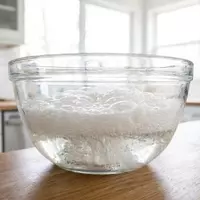
Beyond mathematics, candy can also be a fantastic tool for exploring fundamental scientific principles. The "Skittles Solubility Experiment" offers a captivating lesson in chemistry, specifically focusing on solubility and water stratification. Children observe how the sugar and food dyes on hard candies dissolve in water, creating vibrant, unmixed rainbows as the dense colored water spreads. This visually stunning experiment illustrates scientific concepts in a way that is both engaging and easy to comprehend, making the abstract idea of solubility concrete.
Culinary Creations: Transforming Leftover Candy into Baked Goods
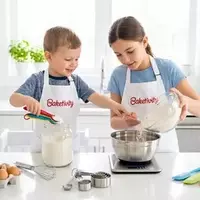
Once the educational games and experiments are concluded, any remaining, broken, or less-favored chocolate bars don't have to go to waste. Repurposing these leftovers into new desserts introduces children to the practical application of kitchen math, emphasizing precise measurements and the concept of fractions adding up to a whole. Recipes like the "Monster Mash" Skillet Cookie or "Spooky Candy Bark" provide opportunities for kids to actively participate in baking, learning about ingredients, thermal melting, and the joy of creating something new from what was once considered surplus.
Organizing Your Sweet Stash: A Guide to Candy Shelf-Life and Storage
For any candy that remains after all the learning and baking, proper storage is key to preventing waste. Understanding the ideal storage conditions and estimated shelf life for different types of candy—from solid chocolates to gummies and caramels—helps maintain their quality. This practical knowledge about logistics and organization reinforces executive functioning skills, teaching children how to manage resources effectively and reduce spoilage, ensuring that every piece of Halloween candy serves a purpose.